4 hr
Thrihnukagigur Volcano Interior Descent & Hike
- Entry ticket
- Mobile voucher
- Valid same day
- Free cancellation
Iceland Volcano Tour Inside — Magma Chamber & Lava Field Access
Descend into dormant chambers, walk recent eruption sites.
Compare fares, pick the fit — all bookings are mobile-voucher and eligible for free cancellation where shown.
4 hr
9 hr
4 hr
| Experience | Duration | Rating | Pickup | Guide | Small group | Free cancel. | Price | |
|---|---|---|---|---|---|---|---|---|
|
Standard Entry
Most popular
Thrihnukagigur Volcano Interior Descent & Hike
|
4 hr | ★ 4.8 | — | ✓ | ✓ | ✓ | $439 | Book → |
|
Guided Experience
Reykjanes Peninsula Volcano & Lava Fields Hiking Adventure
|
9 hr | ★ 4.7 | ✓ | ✓ | ✓ | ✓ | $131 | Book → |
|
Standard Entry
Fagradalsfjall Volcano Hike with Geologist
|
4 hr | ★ 4.8 | — | ✓ | ✓ | ✓ | $158 | Book → |
Worth it for geology enthusiasts and hikers
An iceland volcano tour inside Fagradalsfjall offers rare access to volcanic terrain shaped by recent eruptions, though no tours currently descend into an active magma chamber here. The Thrihnukagigur Volcano Interior Descent provides actual entry into a dormant magma chamber—a 120-meter descent via open cable lift into the emptied volcanic conduit—priced around 45,000-50,000 ISK for the full experience. Fagradalsfjall volcano hike tours with geologists or local guides (10,000-15,000 ISK) explore fresh lava fields and crater rims across the Reykjanes Peninsula, delivering hands-on geology without underground access. Free self-guided hiking to Fagradalsfjall remains possible with only parking fees, though guided iceland volcano tour inside tickets add expert interpretation of lava formations, gas vents, and recent eruptive history. The value equation favors visitors prioritizing geological education over convenience, as terrain requires moderate fitness and weather resilience.
Bottom line: Book guided iceland volcano tour inside options if you want geological context beyond surface-level hiking—Thrihnukagigur remains Iceland's only true magma chamber descent.
These experiences complement each other; most visitors who do both call the magma chamber descent the more immersive iceland volcano tour inside tour. Exploring the Reykjanes peninsula lava fields provides a raw outdoor adventure, while the Thrihnukagigur elevator offers a controlled look at geological layers.
|
Top pick Fagradalsfjall Hike |
Thrihnukagigur Descent | |
|---|---|---|
| Nature of Experience | Self-guided lava field exploration | |
| Physical Exertion Required | Moderate hiking on uneven terrain | |
| Access Method | Public trail pedestrian access | |
| Uniqueness of Views | Fresh volcanic landscape panoramas | |
| Age Restrictions | None | |
| Permit Requirements | Not required | |
| See tickets & prices |
Verdict: Choose the hike for landscape photography or the descent for a rare glimpse into the depths of a magma chamber via these iceland volcano tour inside tickets, noting that each offers a distinct perspective on regional geological landmarks.
Hand-picked experiences loved by thousands of travelers
4–6 hours
Free Cancellation
Trek across Iceland's newest lava fields with guides who witnessed the eruptions firsthand
9 hours
Free Cancellation
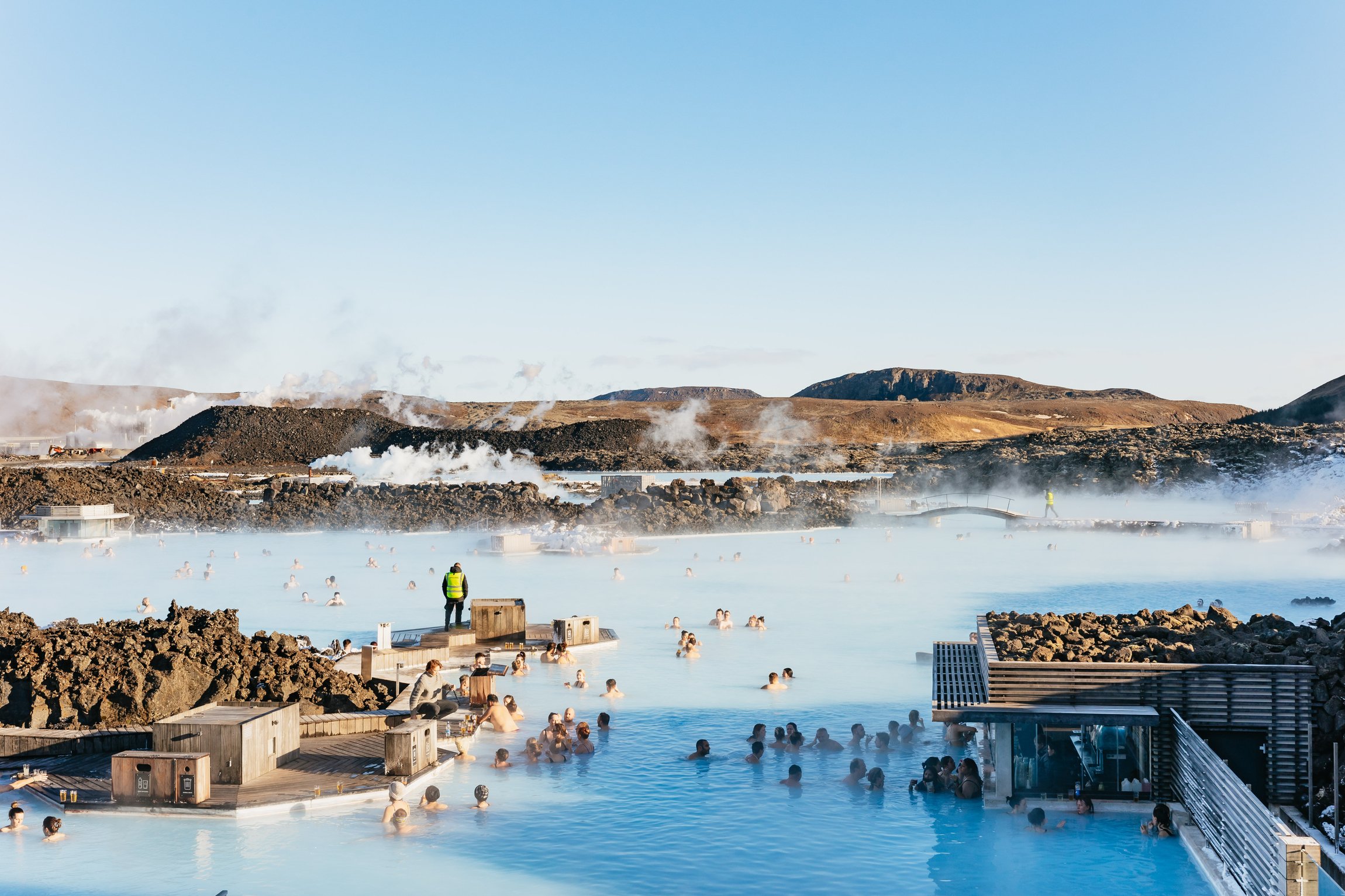
Trek to volcanic eruption sites, explore geothermal wonders, and soak in Iceland's legendary Blue Lagoon
7 hours
Free Cancellation
Trek through Iceland's newest volcanic landscape and witness the aftermath of recent eruptions in Geldingadalur Valley
40 minutes
Free Cancellation
Soar over Iceland's newest volcanic landscapes and witness lava fields from above on this aerial adventure
5-6 hours
Free Cancellation
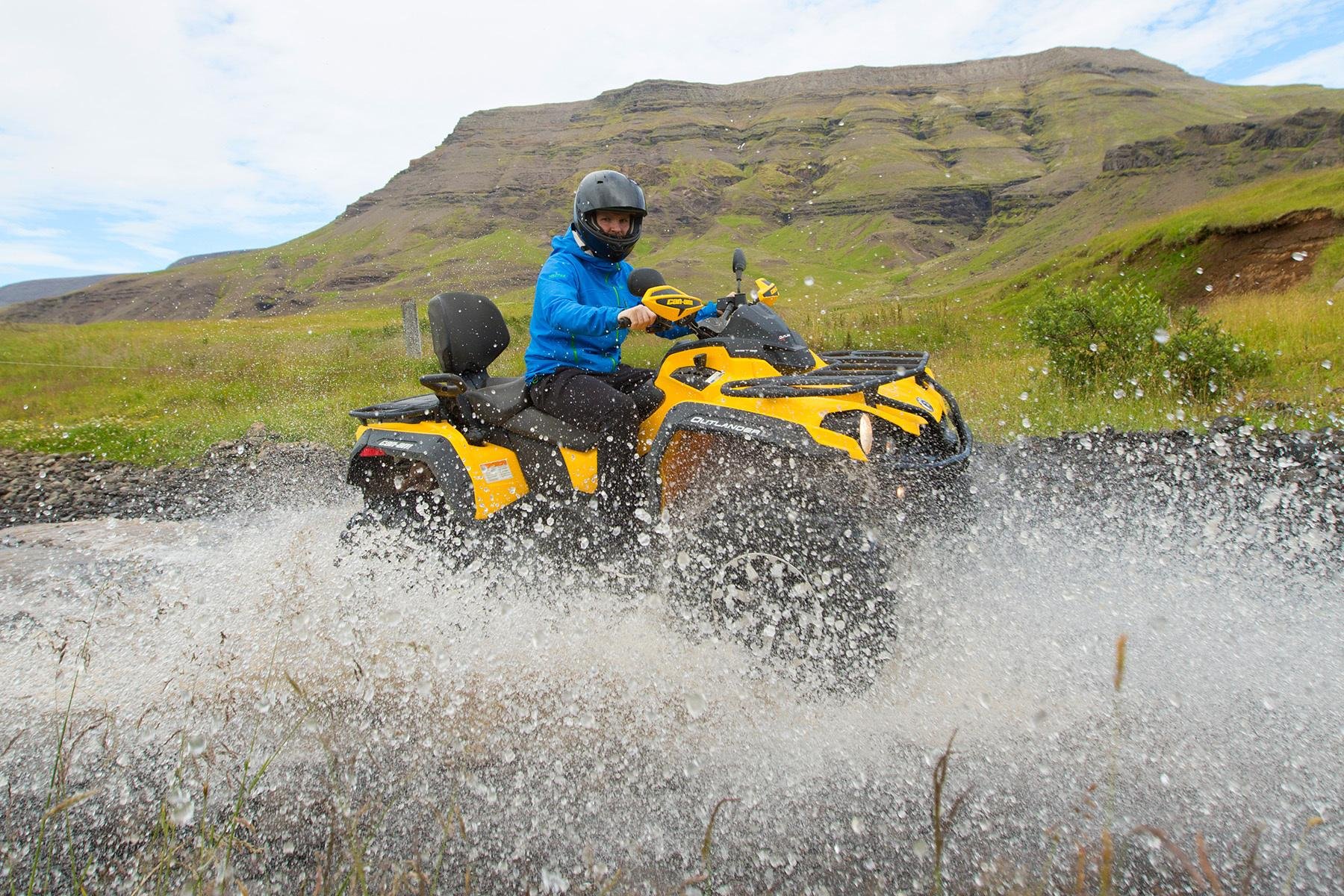
Ride quad bikes to mountain peaks, then soar above Iceland's capital in a thrilling helicopter tour.
6 hours
Free Cancellation
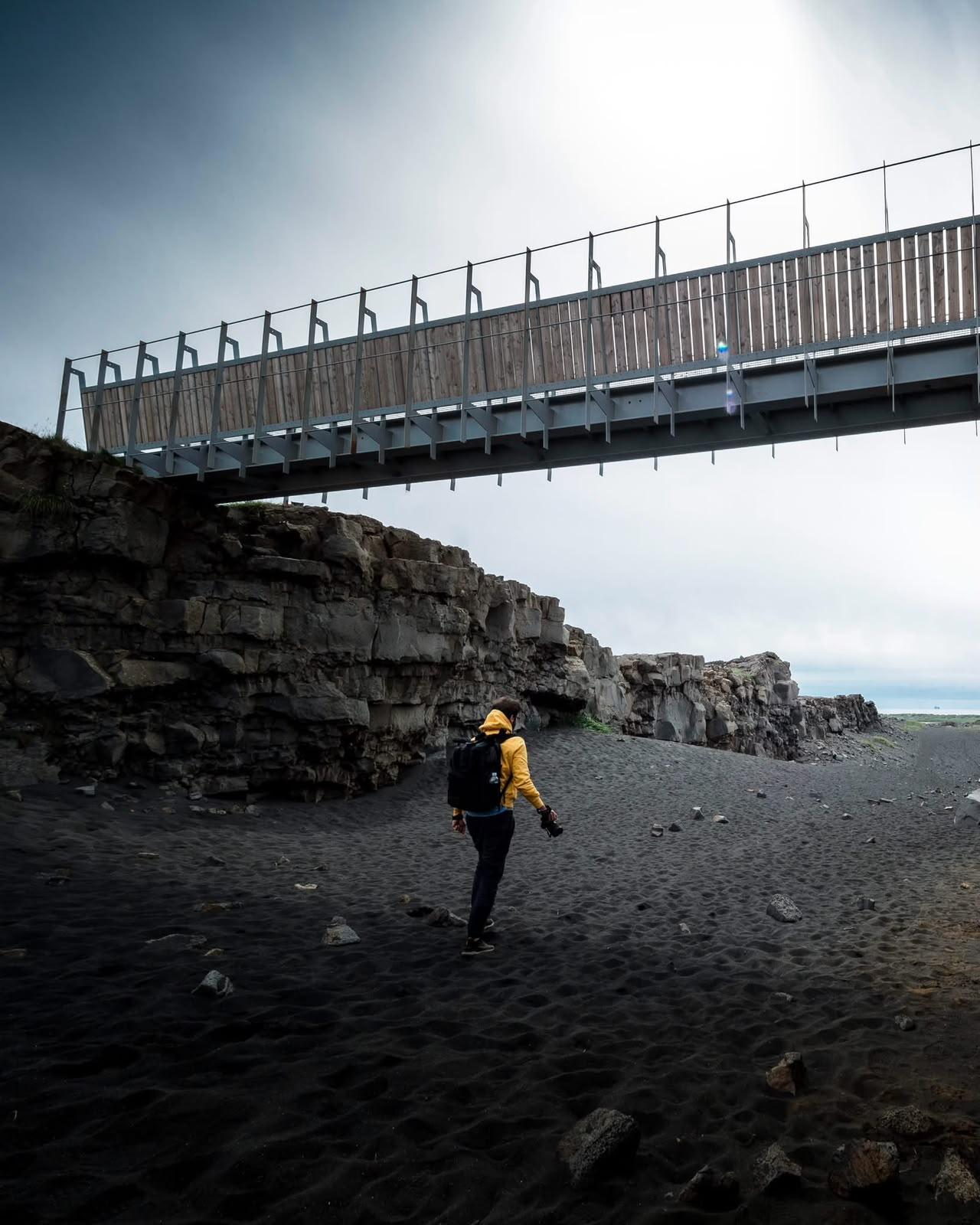
Explore geothermal wonders, volcanic terrain, and walk between two continents on this geological journey
3 hours
Free Cancellation
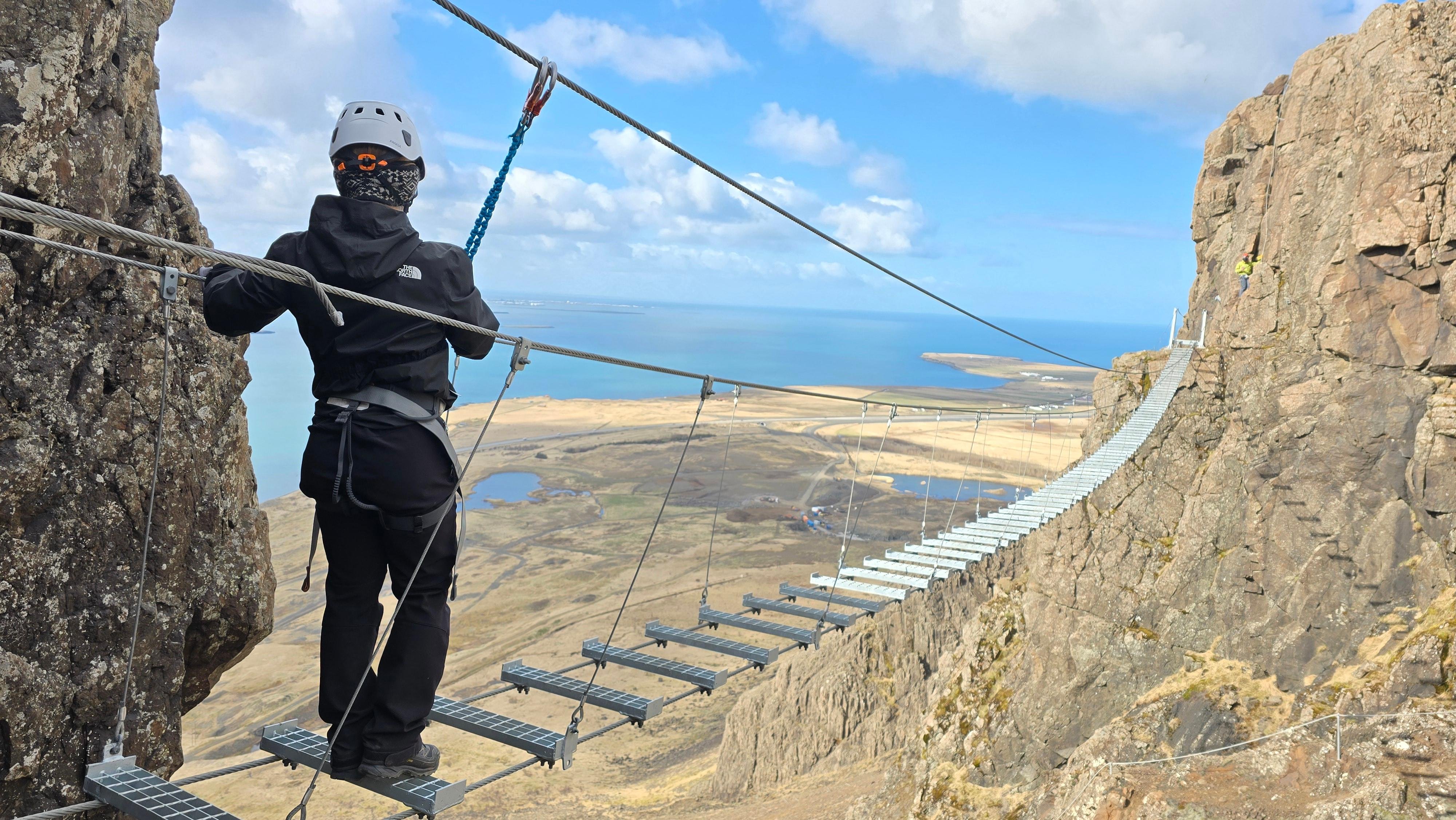
Scale Iceland's iconic mountain using steel cables and iron rungs with sweeping views over Reykjavík
3 hours
Free Cancellation
Enjoy a flexible 3-hour private journey blending seamless transport with tailored sightseeing across Reykjanes and Reykjavik.
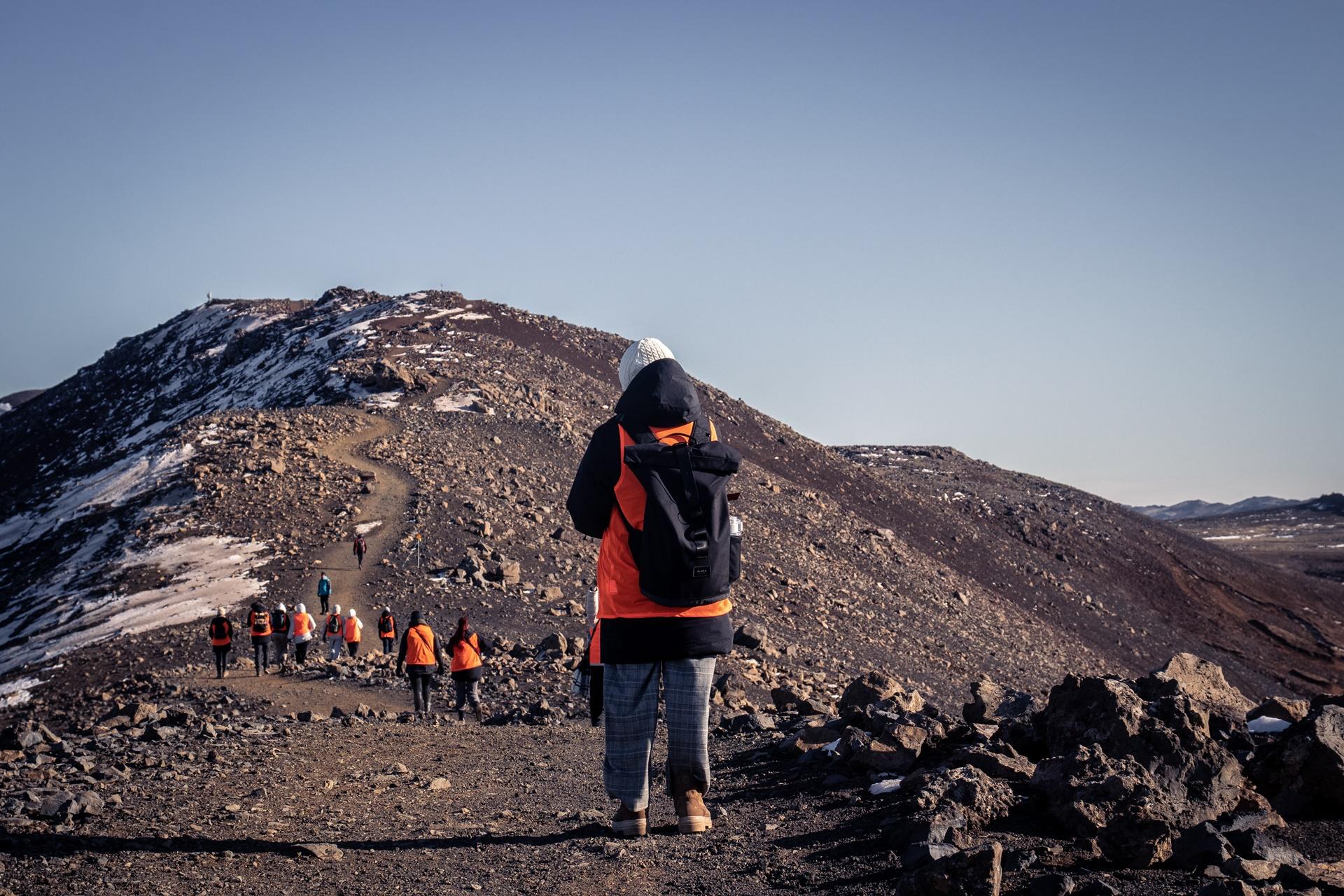
You meet your group at the Reykjanes basecamp, where guides distribute helmets and harnesses before the 45-minute approach hike across ridged lava fields. The trail climbs gradually, black basalt giving way to patches of green moss where groundwater seeps through fissures.
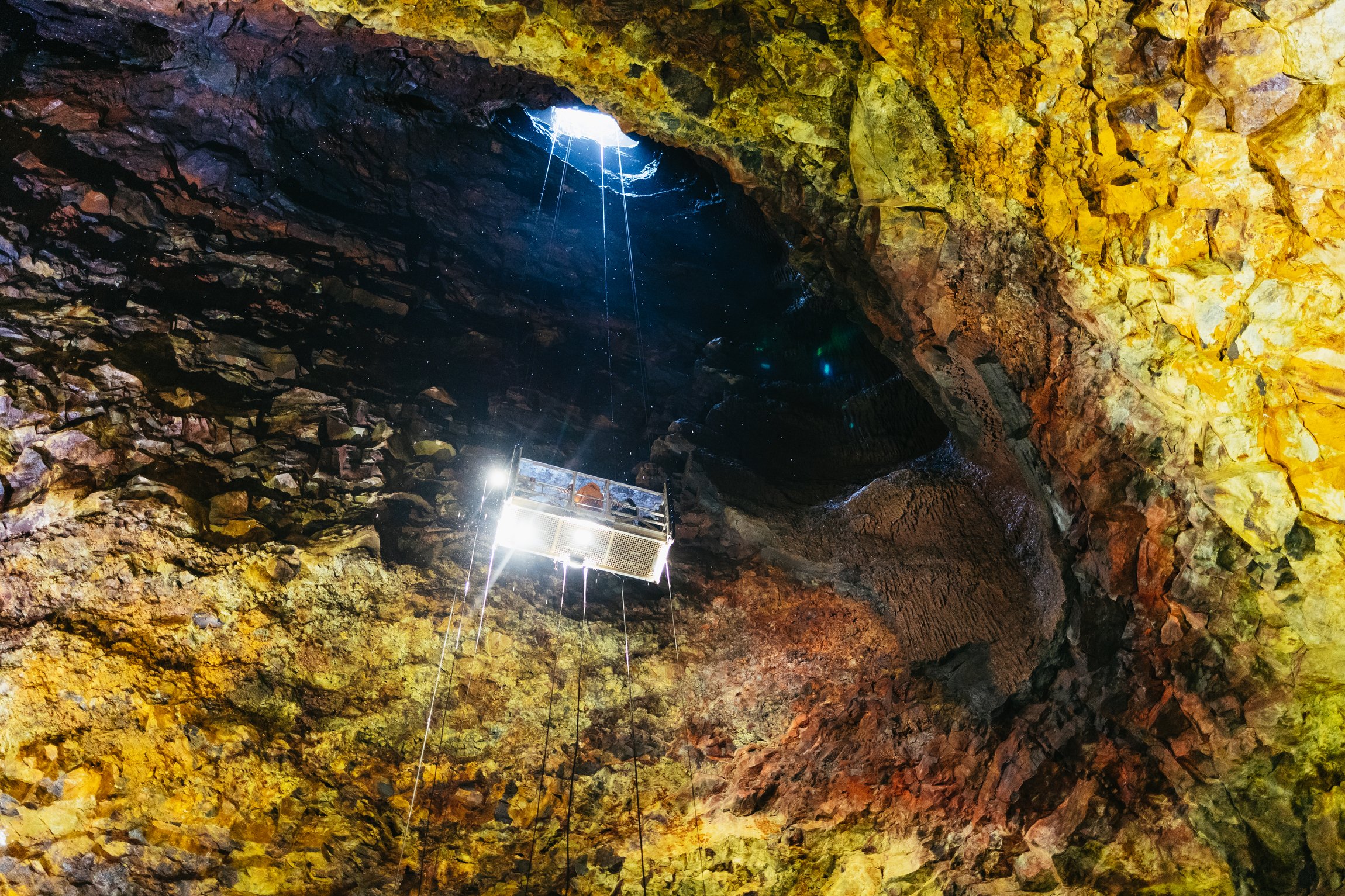
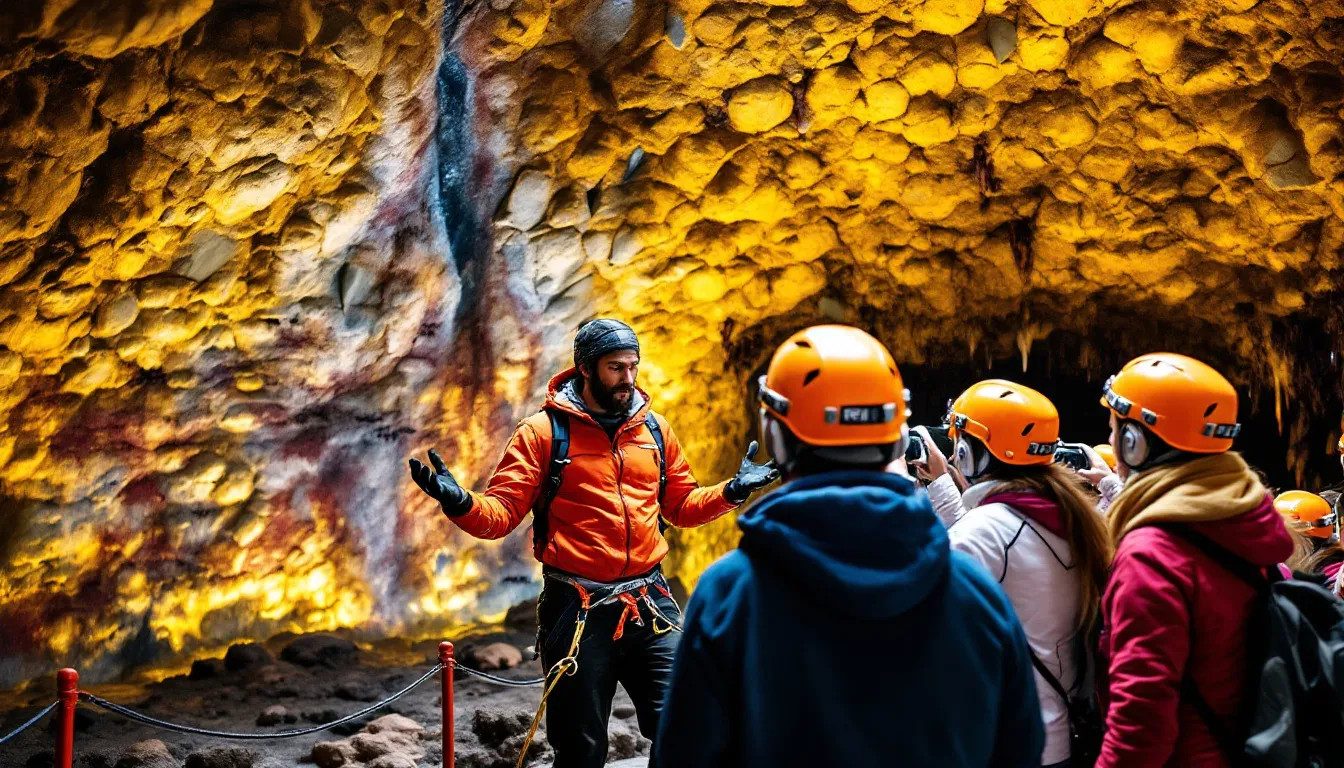
At the Thrihnukagigur crater rim, you peer into the narrow opening—barely three metres wide—then board the open-basket lift. The descent takes six minutes. Walls slide past in bands of rust, violet, and charcoal as daylight shrinks to a coin-sized aperture overhead.
On the chamber floor, you walk the perimeter, boots crunching on loose scoria. Your guide points to a frozen splash pattern where magma once surged against the eastern wall, then receded, leaving a tide line 30 metres high. Temperature holds steady at five degrees Celsius year-round. The scale silences conversation—voices echo off stone that last touched molten rock when the pyramids were young.
After 30 minutes below, the basket hauls you back to surface light. The return hike offers views across the peninsula to steam plumes rising from Grindavík's geothermal plants, a reminder that Iceland's volcanic engine runs continuously beneath your feet.
All the details about your upcoming adventure in one place
Thrihnukagigur's magma chamber remains the only volcano interior on Earth where visitors descend 120 metres into a drained conduit. The magma receded roughly 4,000 years ago, leaving a cathedral-sized cavity with oxidised walls that shift from ochre to deep crimson depending on mineral composition.
Geologists compare the scale to placing the Statue of Liberty inside and still having clearance overhead. Access requires a six-cable open basket that lowers groups of six into the void, a descent engineered in 2012 after a decade of structural surveys confirmed the chamber's stability.
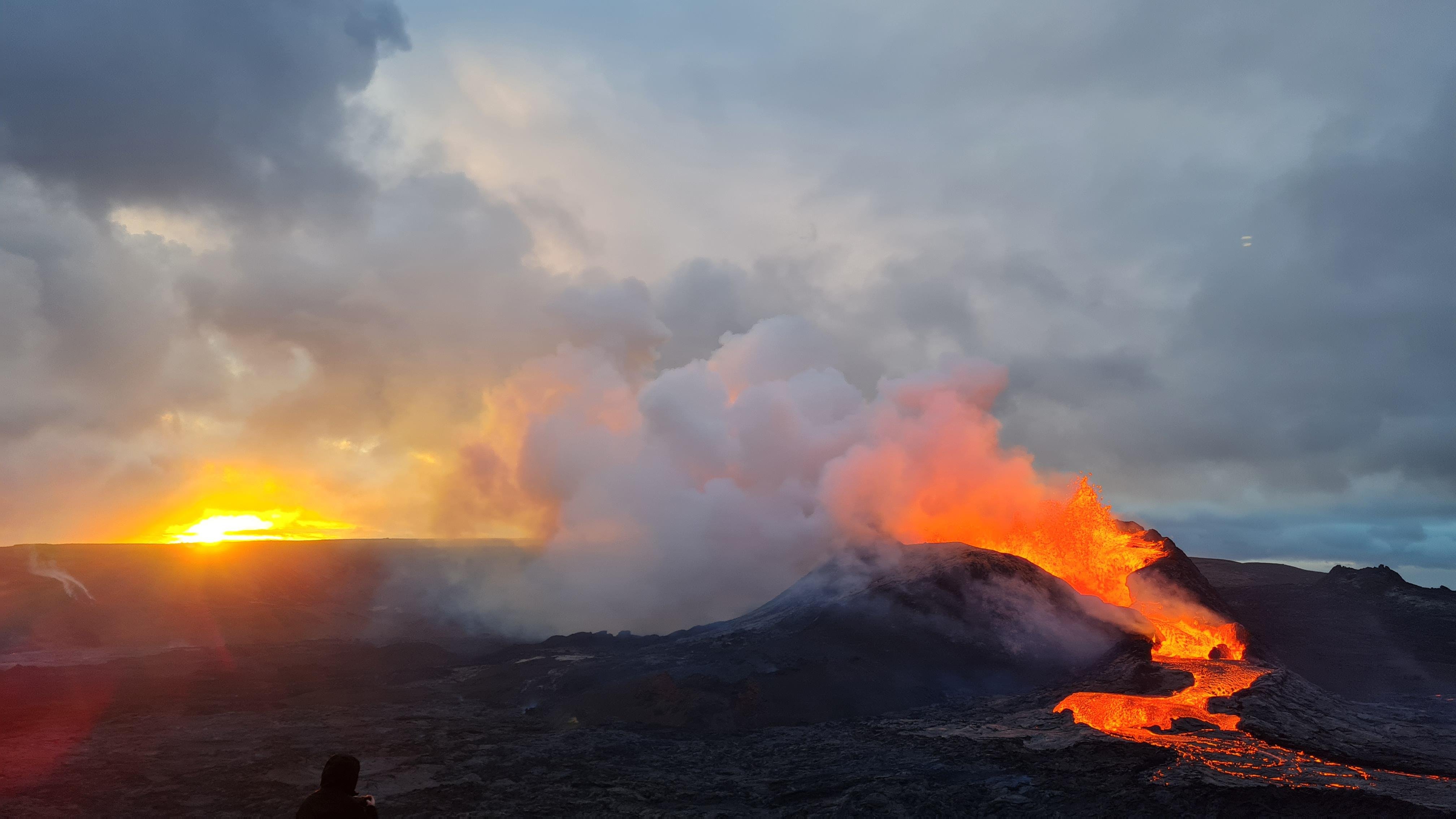
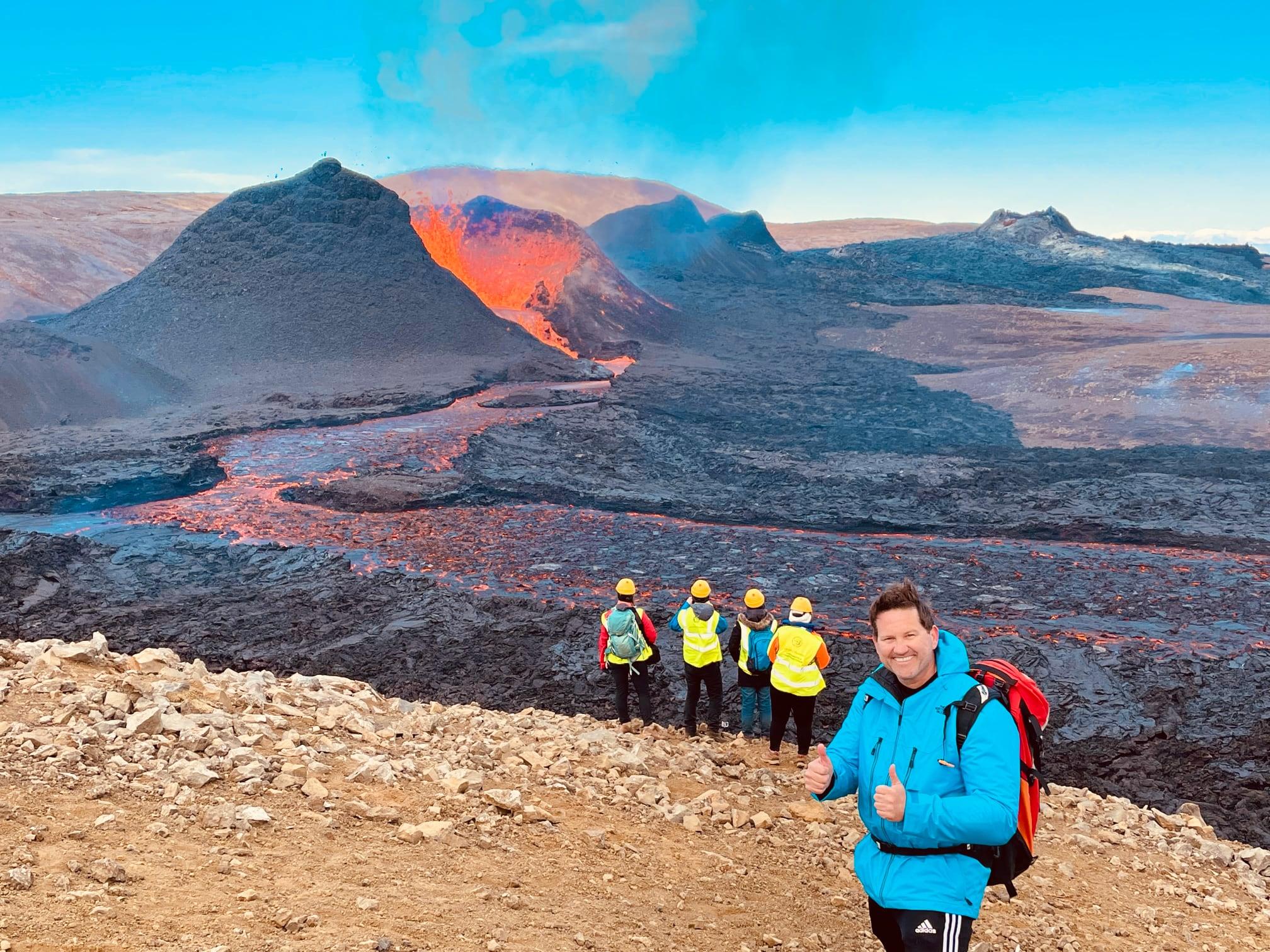
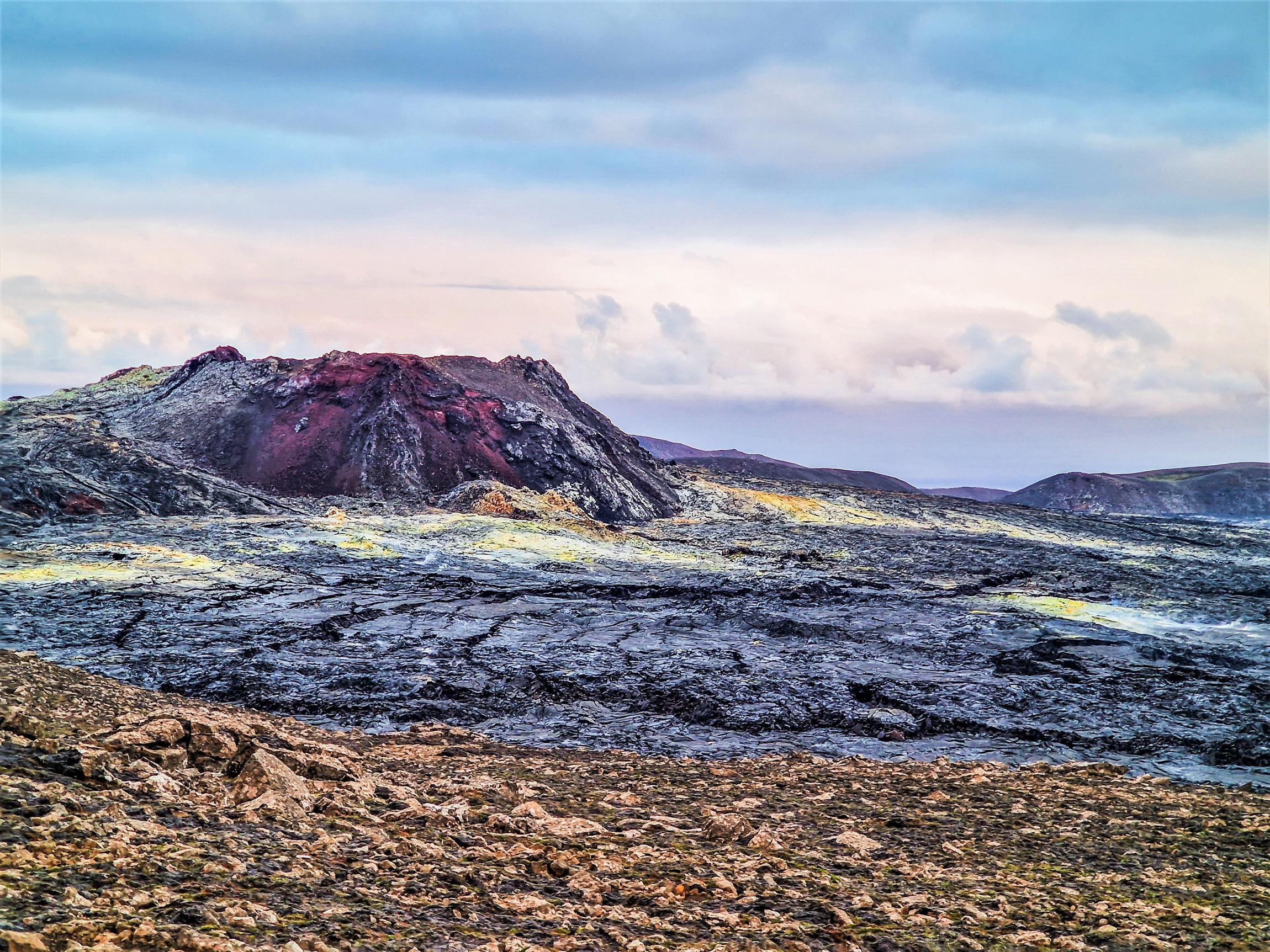
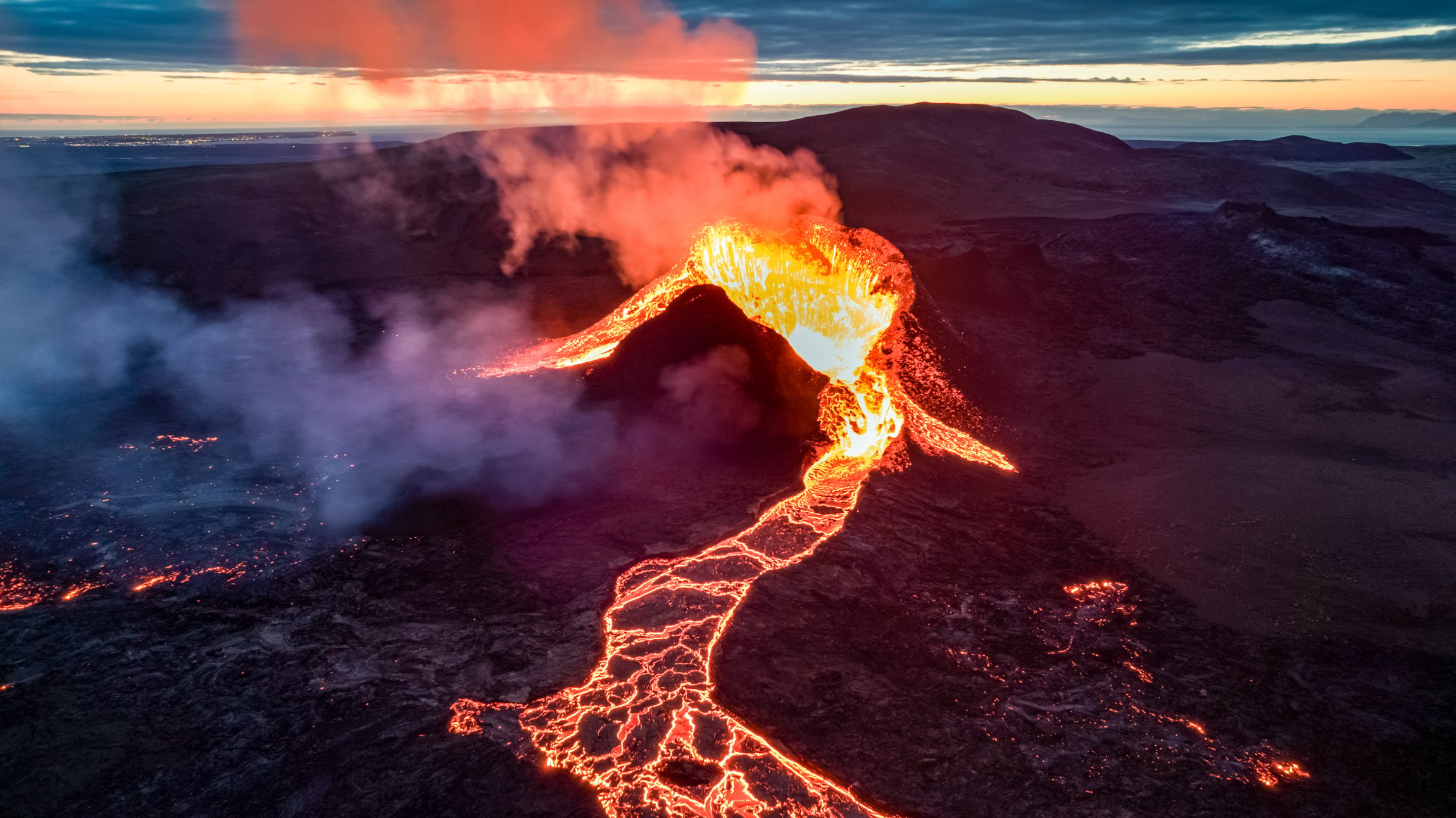
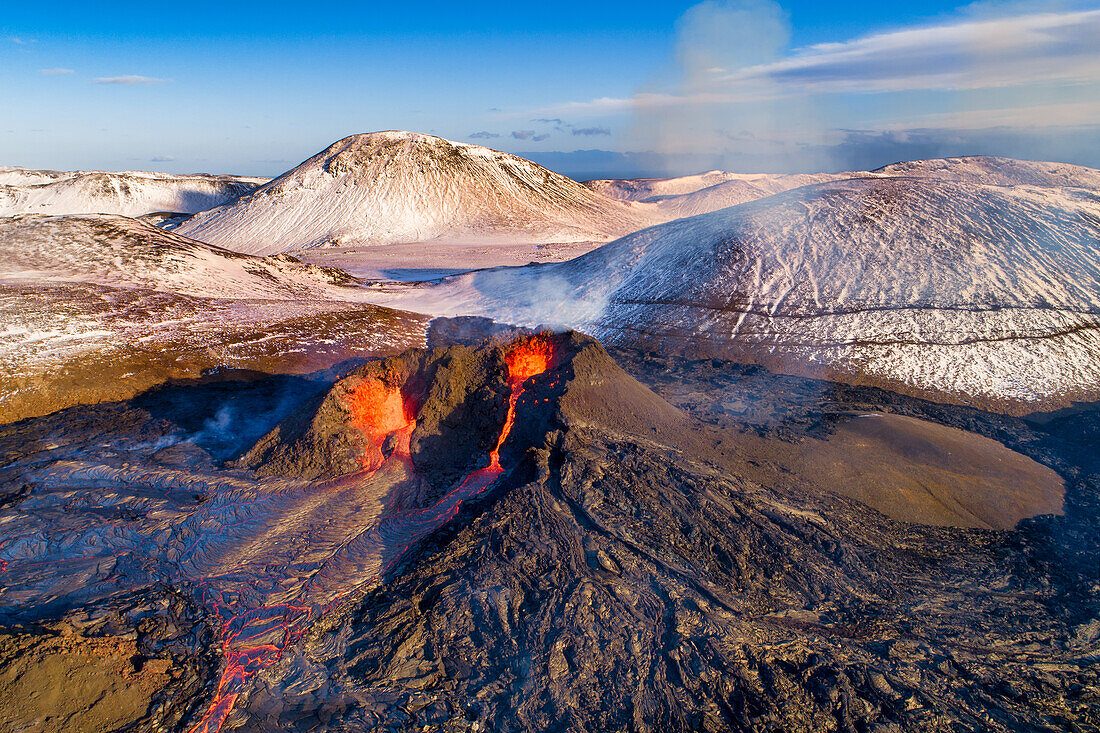
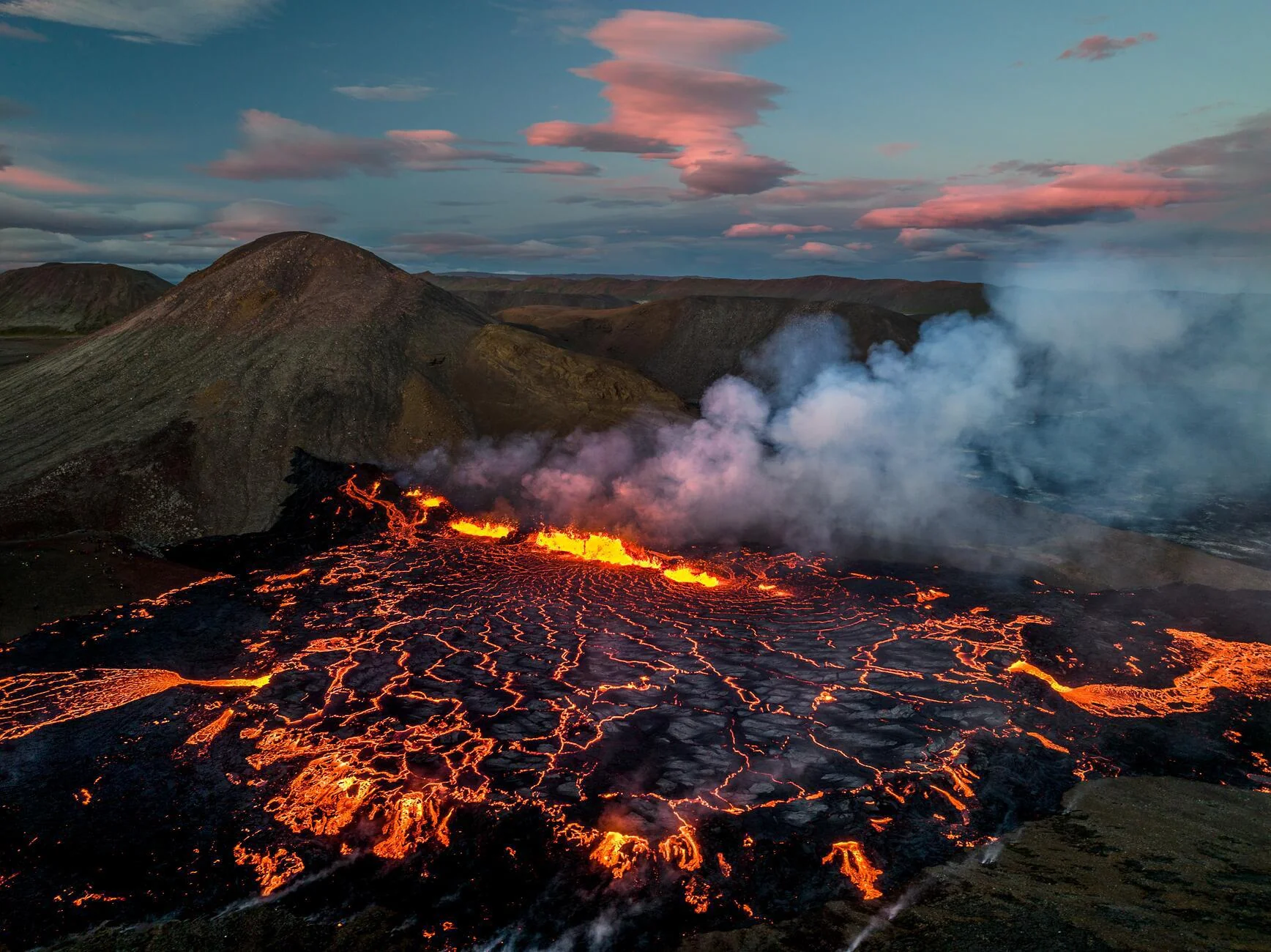
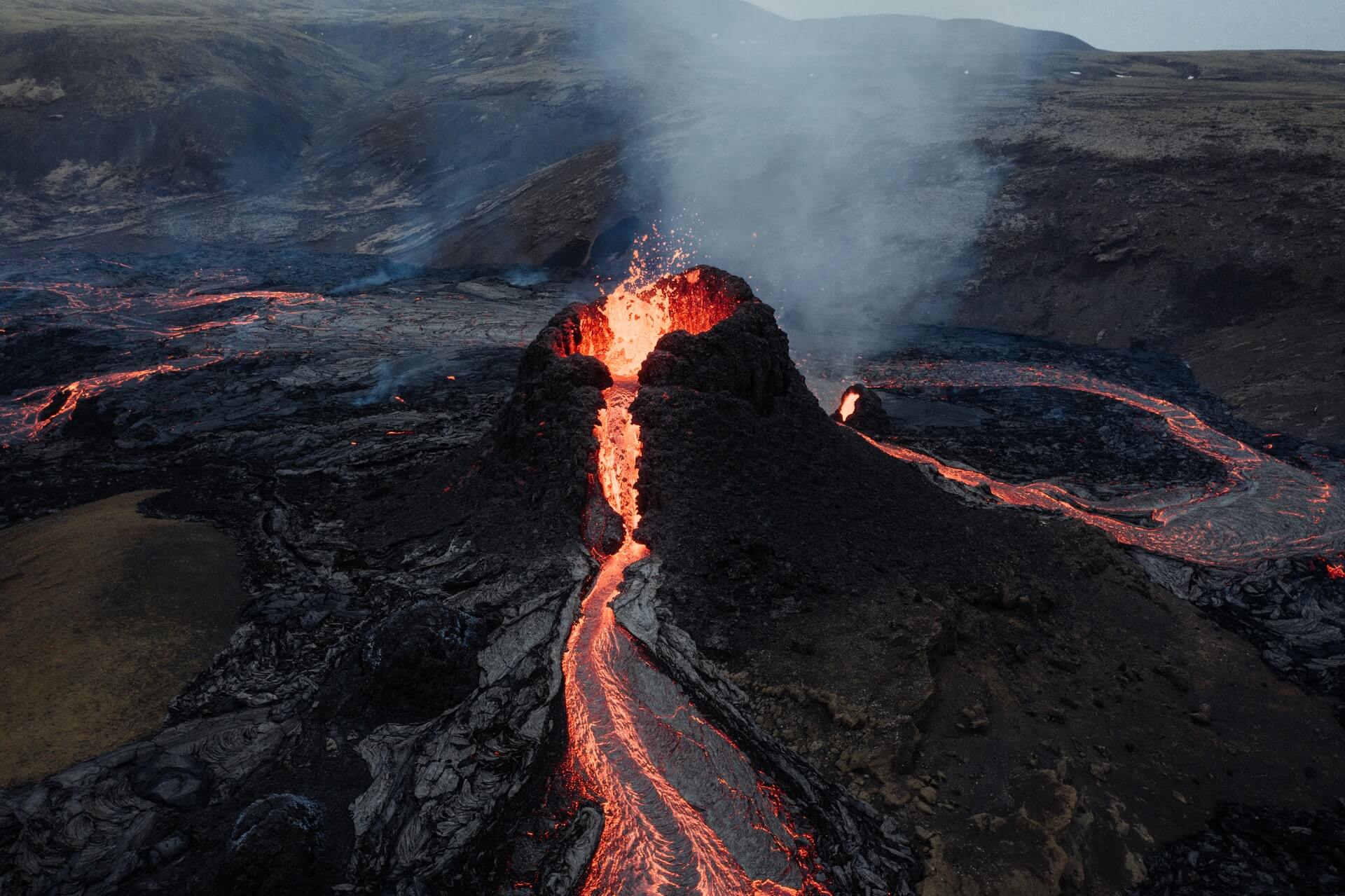
Fagradalsfjall's 2021 eruption on the Reykjanes Peninsula marked Iceland's first fissure event in an urban corridor for 800 years, drawing volcanologists to study real-time lava flow mechanics within helicopter range of Reykjavik. The eruption paused in September 2021, resumed briefly in 2022, then entered dormancy, leaving a hardened basalt field crosshatched with skylights where molten rivers once churned beneath crusted surfaces. Hiking routes now traverse this geology classroom, where fumaroles still vent residual heat and iridescent mineral deposits coat fractured rock.
Reykjanes itself sits atop the Mid-Atlantic Ridge, where the Eurasian and North American tectonic plates diverge at two centimetres per year. Thisrift zone powers geothermal infrastructure across southwest Iceland and explains the concentration of volcanic systems—Fagradalsfjall, Grindavík's recent activity, and Eldvörp's historic craters—within a 30-kilometre arc. The peninsula's black sand beaches, moss-draped lava fields, and steaming vents form a landscape textbook, each feature a visible consequence of subsurface forces.
Guided treks with geologists decode this terrain, distinguishing pahoehoe from aa lava, reading gas vent patterns, and contextualising Iceland's volcanic pulse within the broader North Atlantic igneous province. Thrihnukagigur's magma chamber descent operates seasonally, dependent on weather and ground conditions. Fagradalsfjall hikes run year-round but require crampons in winter when snow buries trail markers.

Thrihnukagigur remains the only volcano interior on Earth where visitors descend into a drained magma conduit.
Wear sturdy, broken-in hiking boots with good ankle support. Dress in layers, including waterproof jackets and pants, as weather conditions on the Reykjanes Peninsula change rapidly.
Carry a small, comfortable daypack for water, snacks, and extra layers. Ensure your gear allows for hands-free movement during the steep, uneven hikes.
The landscape is ideal for wide-angle landscape photography of solidified lava fields. Use a tripod for evening or low-light shots, but be mindful of loose, sharp rocks.
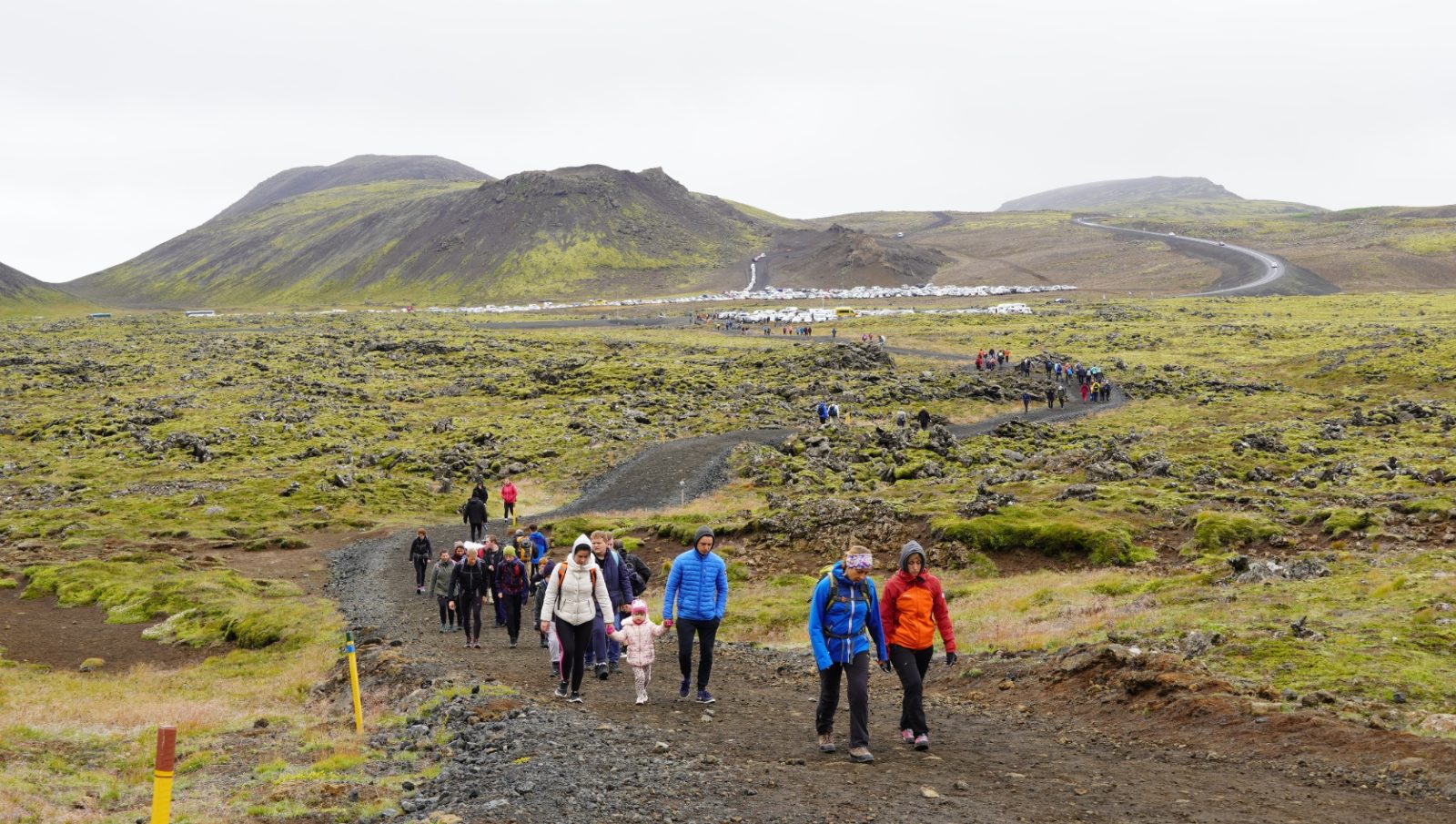
The area is open to all, but authorities advise caution for families with young children. Long, demanding hikes require preparation for children to stay hydrated and warm.
The terrain consists of gravel, steep hills, and uneven lava rock, making it unsuitable for strollers or those with limited mobility. Always stay on marked paths to avoid hidden fissures.
No food or drink services are available at the site. Carry a reusable water bottle and pack energy-dense snacks for the duration of your excursion.
Opening hours
00:00–23:59
Address
Fagradalsfjall, Reykjanes Peninsula, Iceland
Accessibility
Challenging terrain; hiking trails vary in difficulty
Best arrival
06:00–09:00
Services
No facilities on-site; pack all essentials
Navigation
Follow marked trails only
As this is a public hiking site, there is no entry booking to cancel. For private tours, contact your specific operator regarding their independent cancellation window.
Recommended time
4-6 hours
The hike across the Reykjanes Peninsula to reach the lava fields requires significant time, so plan for a full morning excursion. By choosing an iceland volcano tour inside during the designated window, you navigate the rugged terrain when the trails are less congested. Those seeking professional guidance often utilize iceland volcano tour inside tours to manage the trek safely, while independent travelers should anticipate longer durations if they plan to explore the crater perimeter or study the basaltic rock formations thoroughly. Securing your iceland volcano tour inside tickets early ensures you depart before the heavy afternoon foot traffic peaks.
Crowd levels through the day
The Reykjanes Peninsula slept for eight centuries. No lava had breached its basalt plains since the medieval warm period, when Norse settlers recorded distant glows on the horizon. Geologists understood the region sat atop a divergent plate boundary where the North American and Eurasian tectonic plates pull apart at roughly two centimeters per year, but the magma chamber beneath Fagradalsfjall remained sealed. On February 24, 2021, seismic swarms shattered that silence. Over fifty thousand tremors preceded the first fissure eruption on March 19, 2021, when molten rock fountained from Geldingadalir valley. The eruption was classified as effusive rather than explosive, producing slow-moving pahoehoe lava flows that allowed close observation. Within weeks, thousands of visitors hiked across the rugged terrain to witness the spectacle, establishing what would become known as an iceland volcano tour inside the peninsula's active rift zone. The 2021 eruption continued for six months, depositing approximately 140 million cubic meters of lava across 4.8 square kilometers. It ceased on September 18, 2021, but the magma system remained pressurized. A second eruption began on August 3, 2022, at Meradalir, followed by a third on July 10, 2023, at Litli-Hrútur. Each event drew international attention and refined scientific understanding of Reykjanes volcanism. The eruptions transformed tourism infrastructure on the peninsula, with designated trails, parking facilities, and real-time monitoring systems installed to manage visitor safety. Unlike historic Icelandic eruptions that devastated settlements, these events occurred in uninhabited valleys, creating rare opportunities for controlled volcano tourism. The Fagradalsfjall system demonstrates how iceland volcano tour inside experiences can coexist with active geological processes when proper protocols govern access. Geophysicists now monitor the region continuously, recognizing that the 800-year dormancy has ended and the Reykjanes volcanic belt has entered a new eruptive period expected to persist for decades.
Final medieval eruptions recorded on Reykjanes Peninsula before eight-century dormancy period began.
Seismic swarms intensify with over 50,000 tremors detected beneath Fagradalsfjall in three weeks.
First fissure eruption opens in Geldingadalir valley, marking the end of 800-year volcanic silence.
Initial eruption phase concludes after six months, having produced 140 million cubic meters of lava.
Second eruption begins at Meradalir as the magma system reactivates with renewed effusive activity.
Third eruption opens at Litli-Hrútur, confirming that Reykjanes has entered prolonged eruptive cycle.
Tourism infrastructure develops with designated trails, parking zones, and continuous seismic monitoring systems.
Capture the vast expanse of the solidified lava field from this elevated ridge. Position your tripod on the northern edge of the hiking path to frame the interplay of basalt textures against the skyline.
This elevated trail offers a clear vantage point for the volcanic landscape, serving as a popular route for those seeking an iceland volcano tour inside experience. Stand at the marked trail boundary to avoid unstable terrain while framing the wide-angle view of the crater.
Follow the primary path leading toward the ridge to gain height for panoramic shots of the tectonic environment. Maintain a steady footing on the gravel surface to stabilize your camera as you document the geological features from a distance.
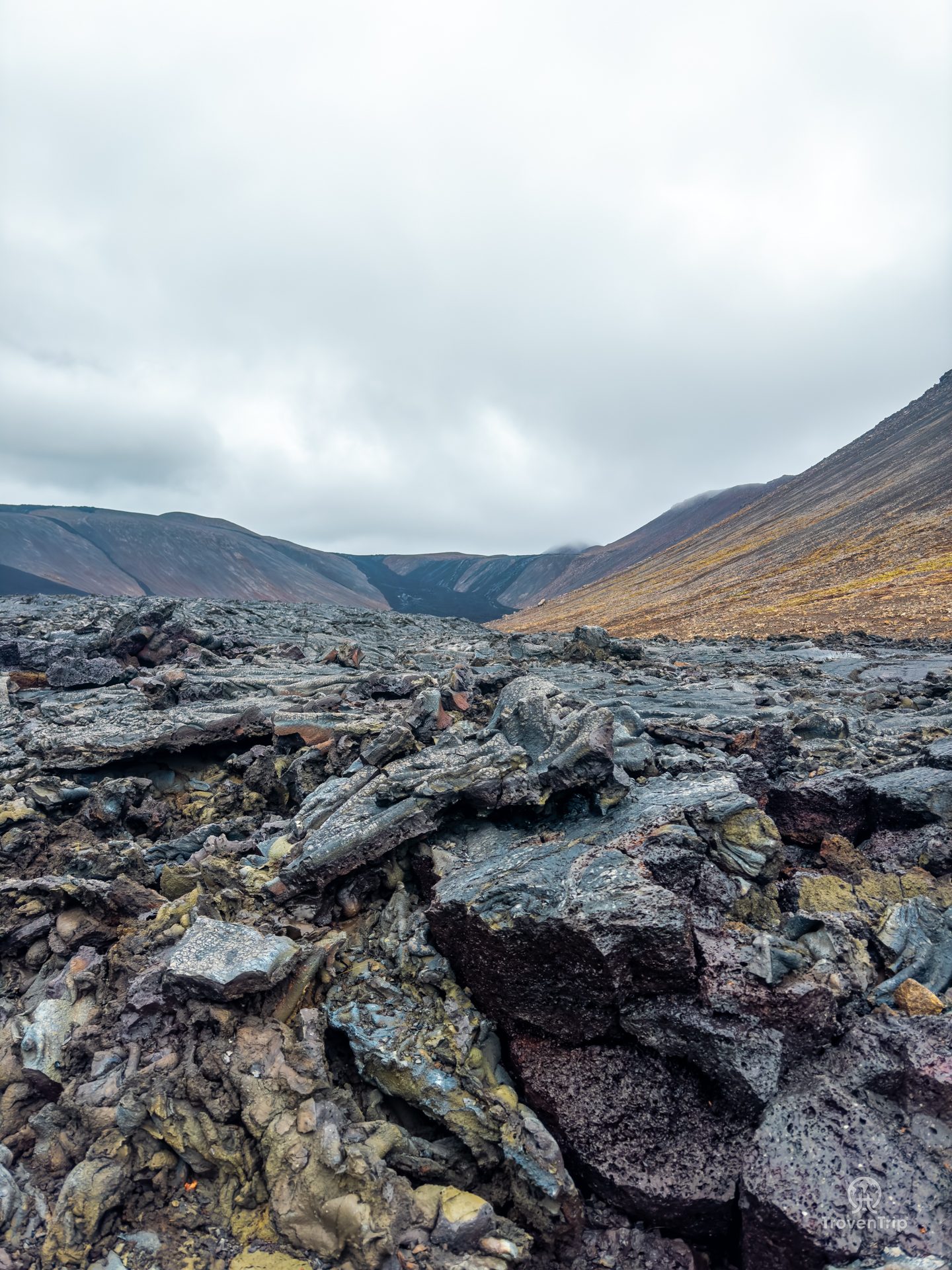
The base of this valley provides a ground-level perspective of the cooling lava flows that settled after the eruptions. Focus your lens on the juxtaposition of moss-covered rocks and dark igneous formations for high-contrast images.
Planning an iceland volcano tour inside the Fagradalsfjall area requires preparation for rugged terrain that is generally not suited for very young children. While you cannot physically enter the magma chamber of this specific volcano, understanding the landscape helps parents set realistic expectations for a family outing.
The volcanic landscape consists of uneven lava fields and steep, rocky paths that are strictly off-limits for strollers or wheeled transport. Parents should use ergonomic hiking carriers to safely transport infants and toddlers through the Reykjanes Peninsula terrain
This hike is physically demanding and best suited for older children and teenagers who can manage extended walking on unstable surfaces. Families should assess their child's stamina before booking any iceland volcano tour inside tours
There are no onsite amenities such as restrooms, changing tables, or warming shelters near the trailheads. Plan to arrive fully prepared for the elements as you navigate this raw geological landmark
The hike requires frequent stops to manage energy levels, so allow significantly more time than the average adult hiker to reach the viewpoints. Choosing an official iceland volcano tour inside tour can help ensure a manageable pace for your group
Pack all necessary water and high-energy snacks in a light backpack, as there are no food vendors available near the site. Secure your iceland volcano tour inside tickets in advance if you plan to join a guided group that provides logistical support.
There are no dining facilities on-site at the Fagradalsfjall Volcano, so visitors should pack food and water for the journey near your iceland volcano tour inside. Travelers typically head to the nearby fishing town of Grindavík to find established eateries after completing their hike.
A local favorite serving fish and chips and pizza, located near the visitor center in Grindavík.
€€€
A reliable spot in Grindavík specializing in local catch, perfect for those seeking a hearty meal after booking their iceland volcano tour inside tickets.
A Grindavík establishment known for fresh cod, sandwiches, and healthy options suitable for a quick stop during an iceland volcano tour inside tour.
Everything you need to know for your journey
No, you cannot go inside the magma chamber at Fagradalsfjall, as it is a fissure system. Tours offering entry into a magma chamber refer to Þríhnúkagígur, a different location.
Entrance to the Fagradalsfjall site is 0 ISK (Free entry; parking fee applies).
The best arrival window is 06:00–09:00 to ensure parking availability and avoid peak afternoon crowds.
No, as it is a public nature site, there are no tickets for general access. Guided providers may require their own booking.
Yes, but it is not recommended for very young children due to the challenging terrain and lack of facilities at Fagradalsfjall.
The site is accessible 24 hours a day, though daylight and weather should dictate your visit.
Yes, sturdy hiking boots, layers, and waterproofs are essential for the unpredictable Reykjanes climate.
The site is reachable by car; use designated parking lots and pay the parking fee via the Parka app.
Yes, many local operators offer guided trekking to ensure safety and provide geological context.
Join thousands of happy travelers who have discovered this incredible experience
Book Your Experience Now